The amount of information on the internet about the temple stay in Osorezan is middling at best. Some places call it “spartan” and others “wonderful” and “moving” and also “modern.” It is important to note that all these sources were written relatively close to each other, timing-wise, so the mystery further deepens.
So it suffices to say that I wasn’t entirely sure what we were getting ourselves into with this temple stay, minus the fact that I was going to be fed a vegetarian meal as part of it (shock and awe abound, vegetarian food in Japan!) and we’d need to participate in the prayers.
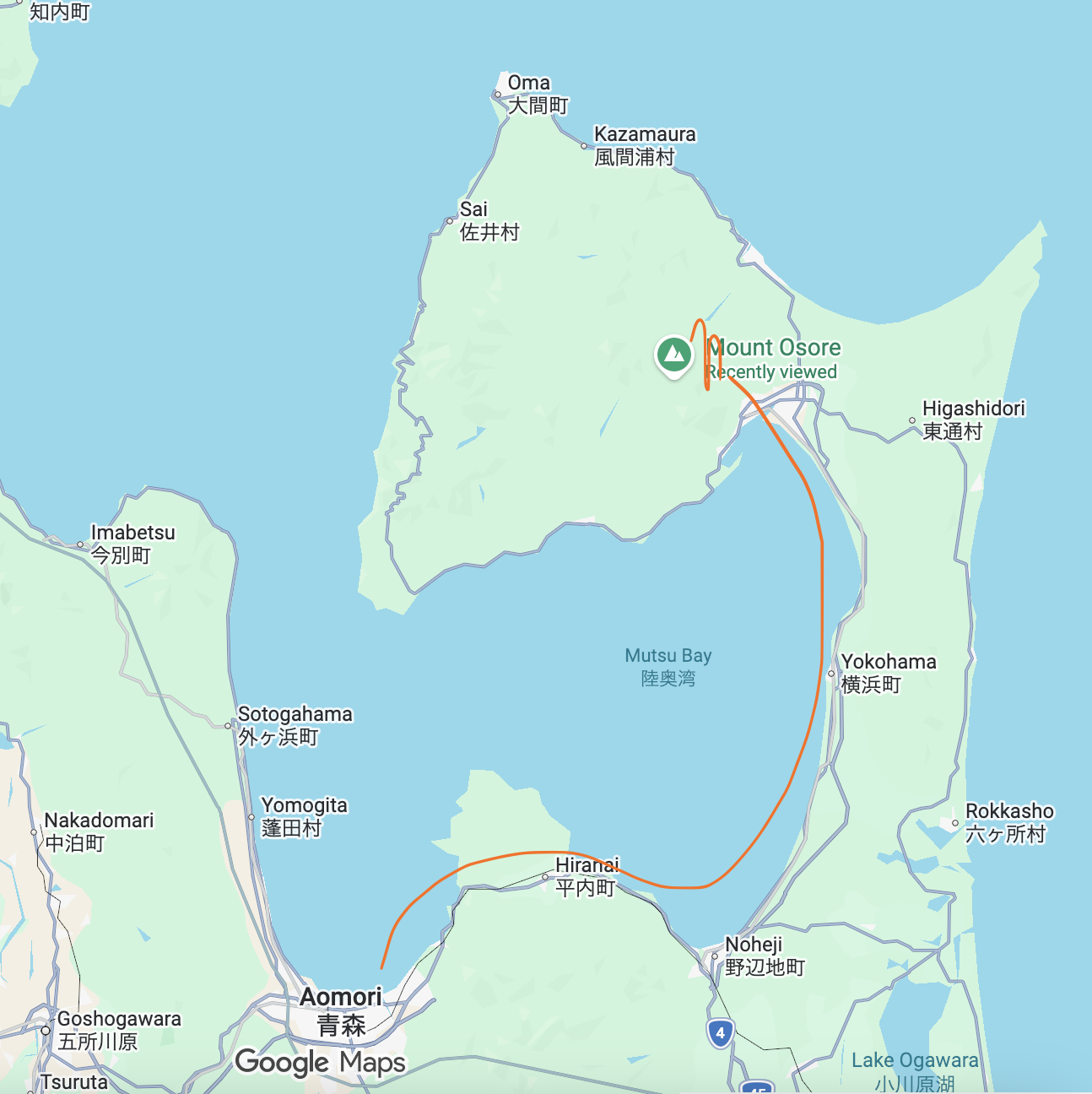
Osorezan (literally “angry mountain”) lies a ways outside of Mutsu on the Shimokita peninsula. We took our rental cars from Aomori station, but you can also get to Osorezan by (infrequent) bus from Shimokita station or by taxi. There are a lot of hairpin turns on the way up from Mutsu, even though the drive is relatively short.
Osorezan is one of Japan’s three most sacred sites. It’s known as the entrance to the afterlife and has a river that all souls are said to cross. Japanese culture is very big on the boundaries between places – rivers as crossings between life & death, crossing into a home across a genkan (entrance), or from the hall into the bathroom, to name a few examples.
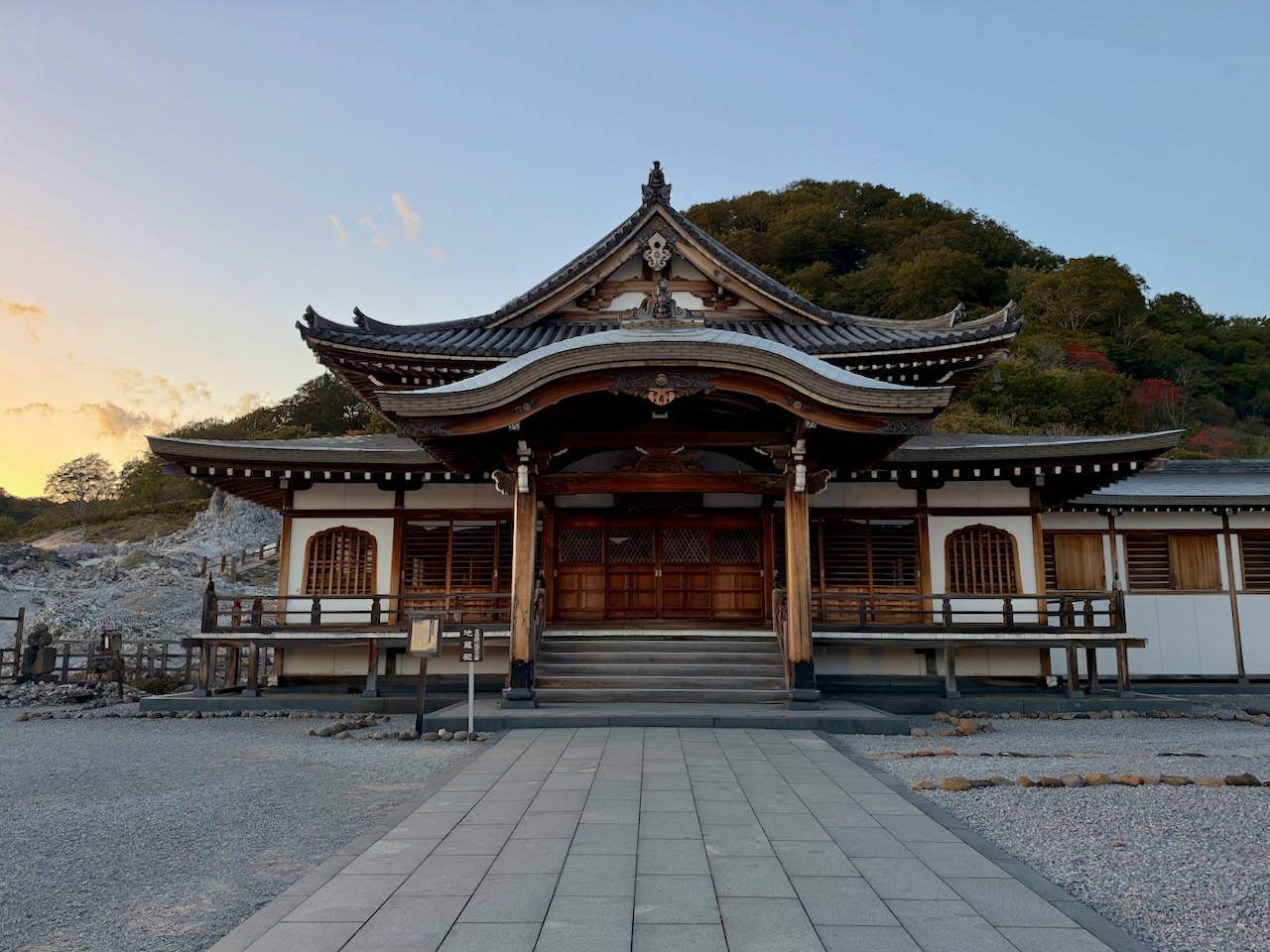
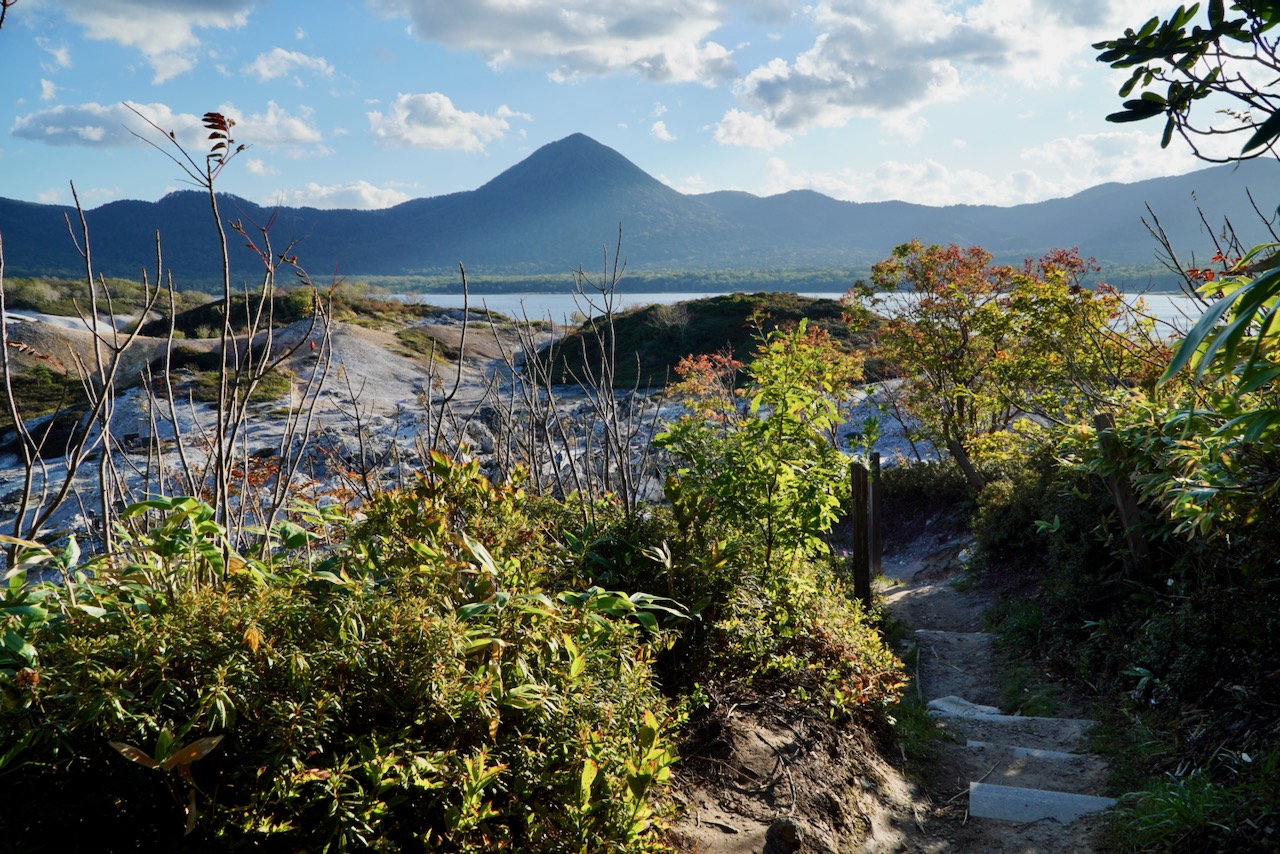
You too cross the river the dead cross when you enter the grounds of the shrine, and you are greeted by a surreal, steaming, otherworldly expanse of shrine buildings, jizo, statues, and a few people come to experience the place today.
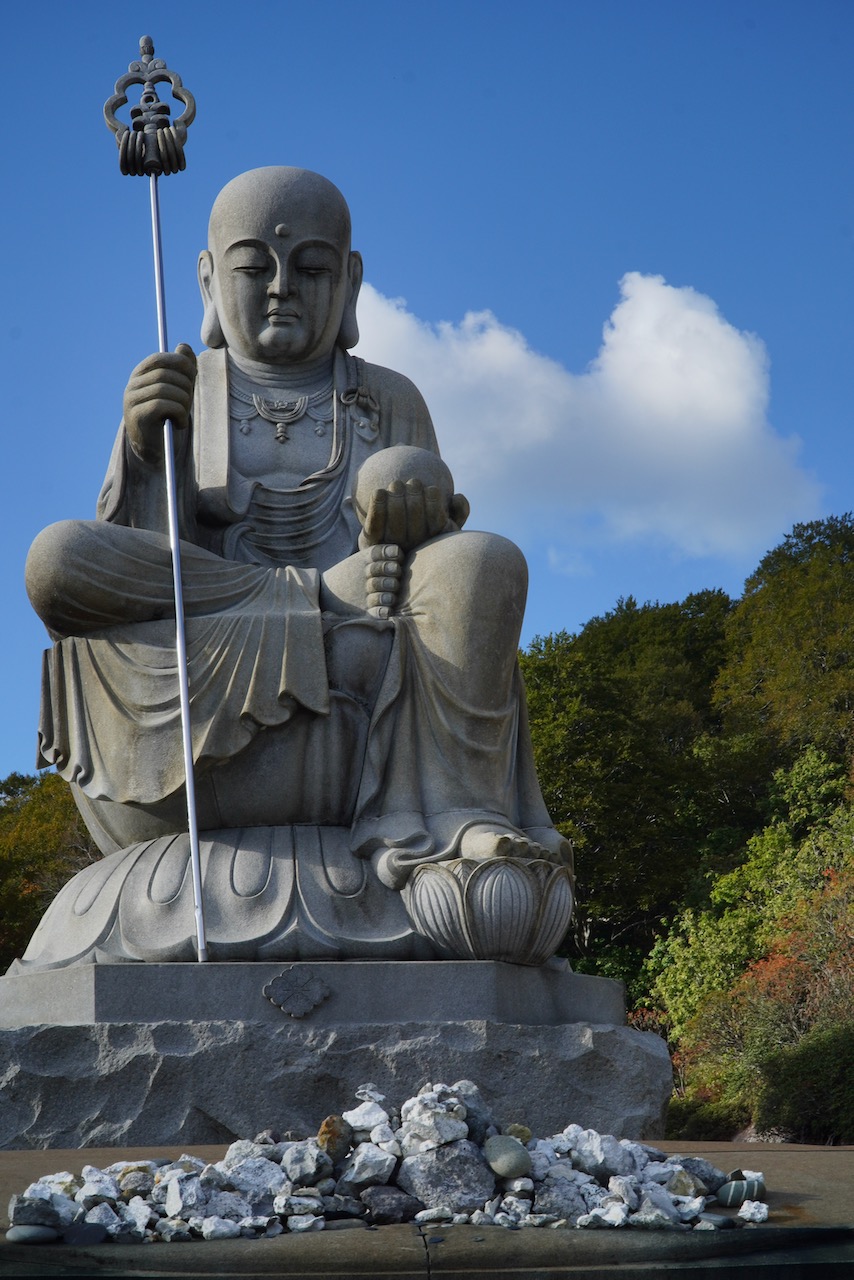
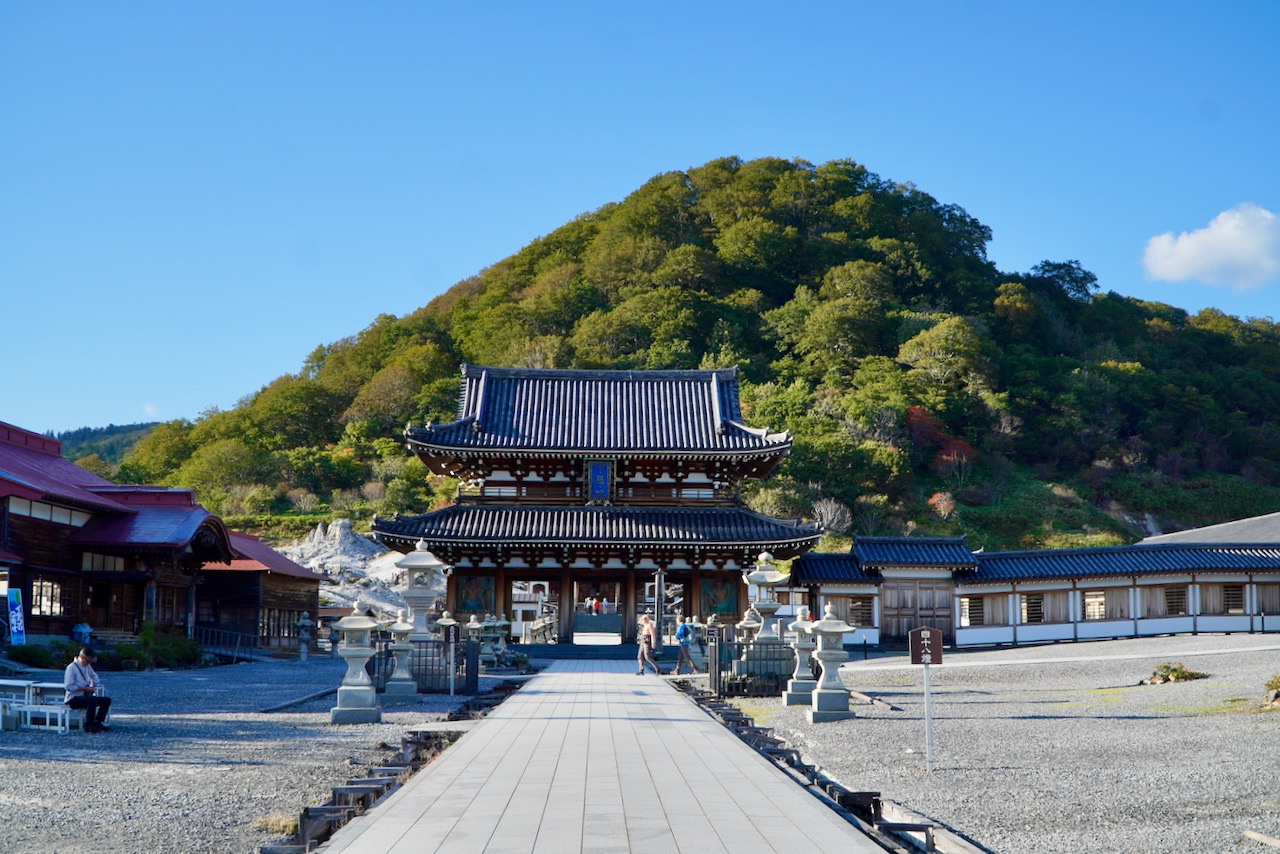
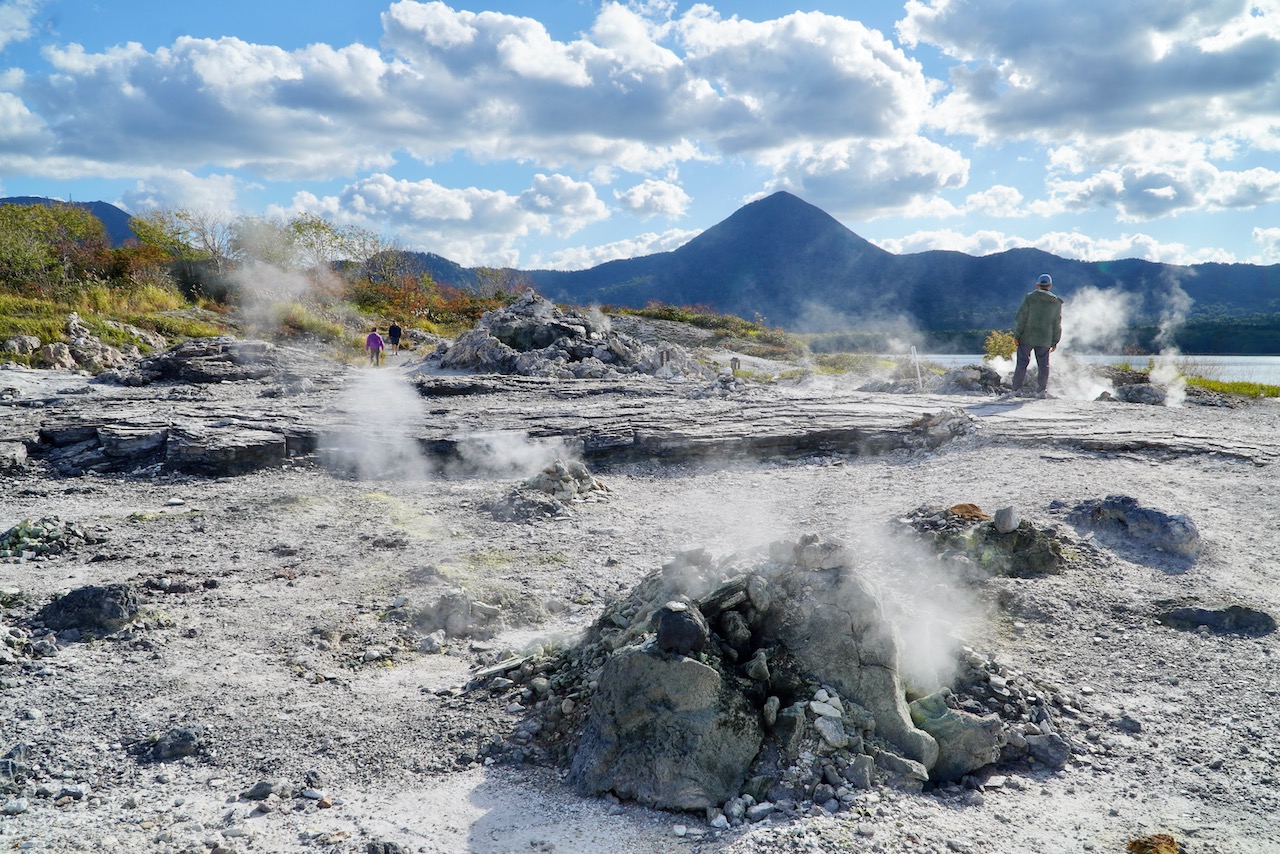
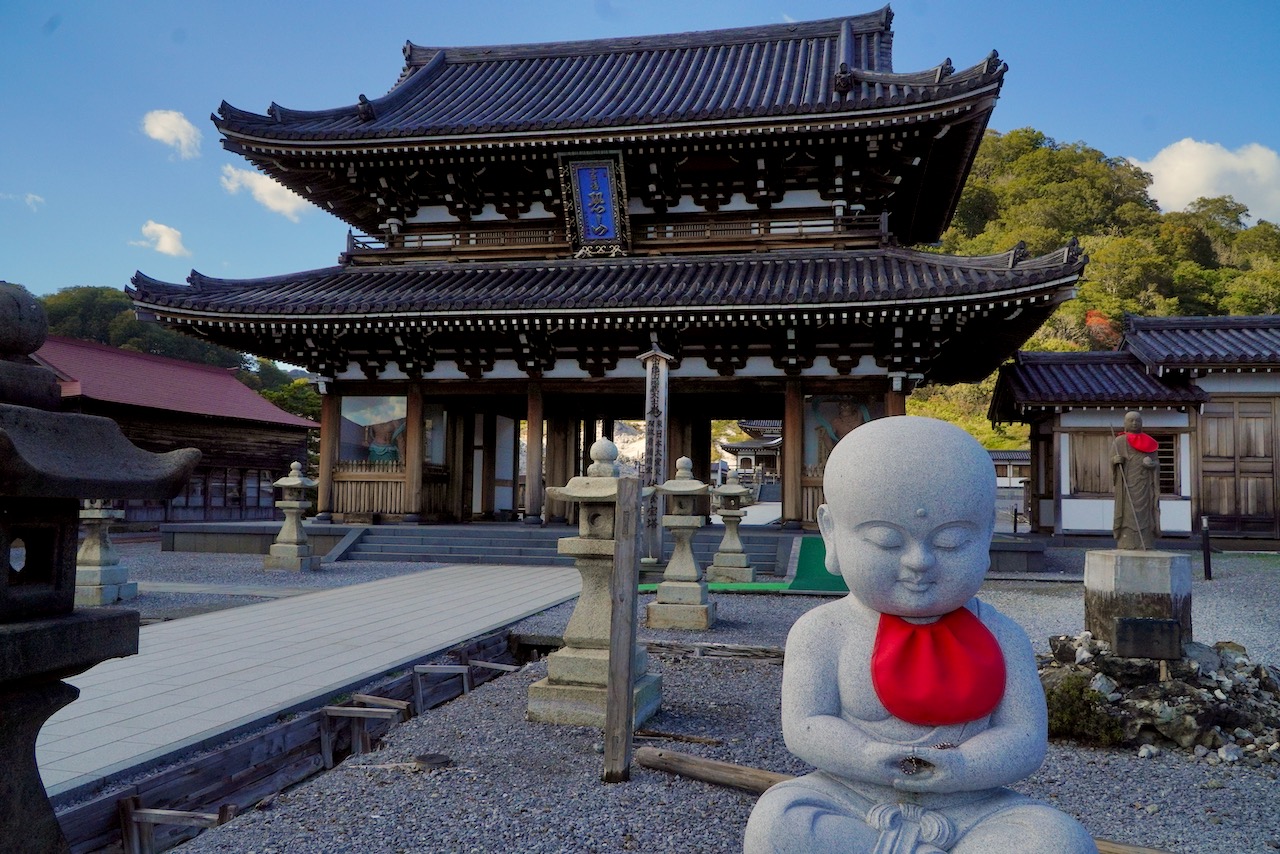
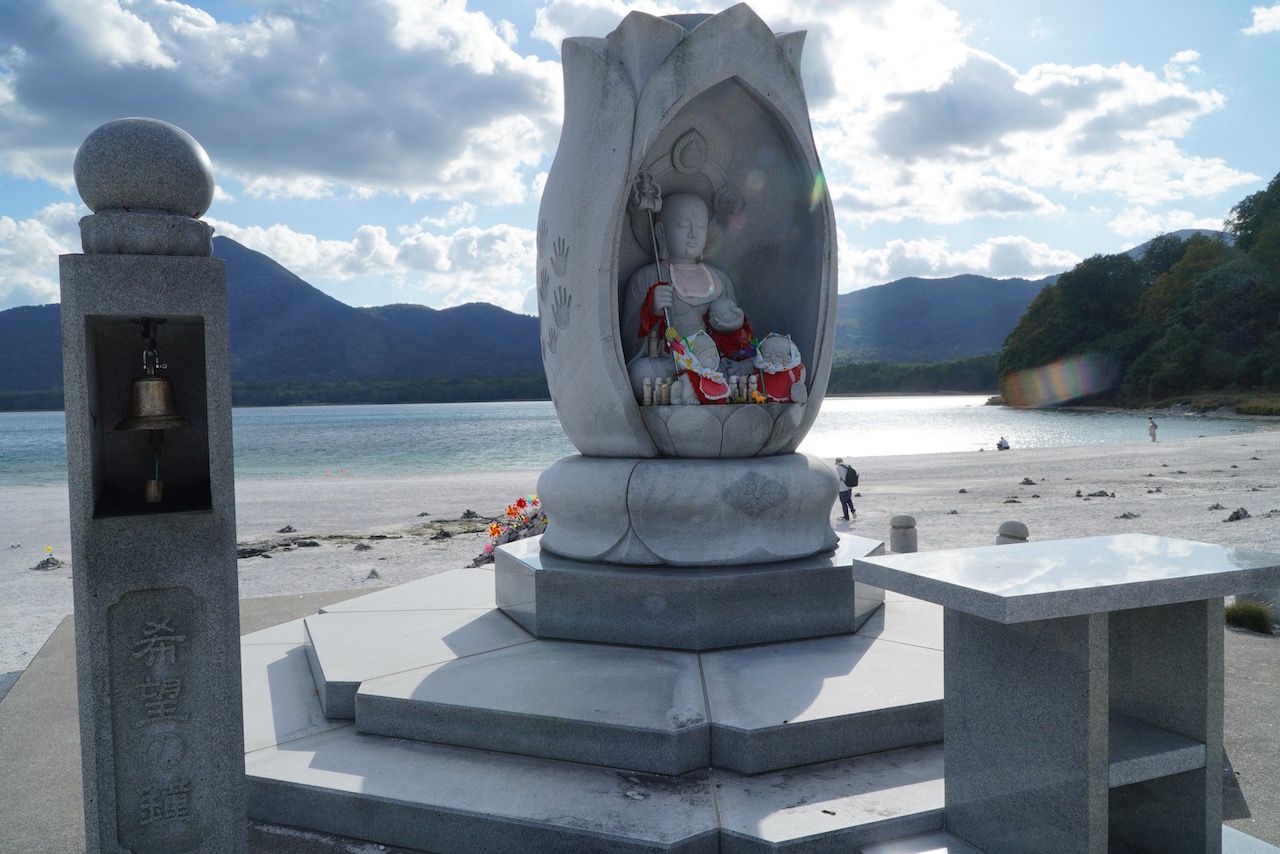
The monks at Osorezan Bodaiji shepherd the souls of the dead to the afterlife and pray for them. On the shores of the Sulphiric lake is the newest jizo – dedicated to those who lost their lives in the Tohoku quake of 2011. I made sure to donate and ring the bell.
For 17k yen (at time of writing) per person per night plus temple entrance fee of 900 yen, you too can stay overnight at the temple at Osorezan. Reservation requires either a written letter or a phone call (as a millennial, I hate both of these things). Reservations are made in Japanese (if you are a friend and wish to do this, I will call for you).
One of the lovely things about doing a temple stay here is your access to the grounds when no other visitors are around. Check-in is normally from 3pm, but we got in early since everything was ready.
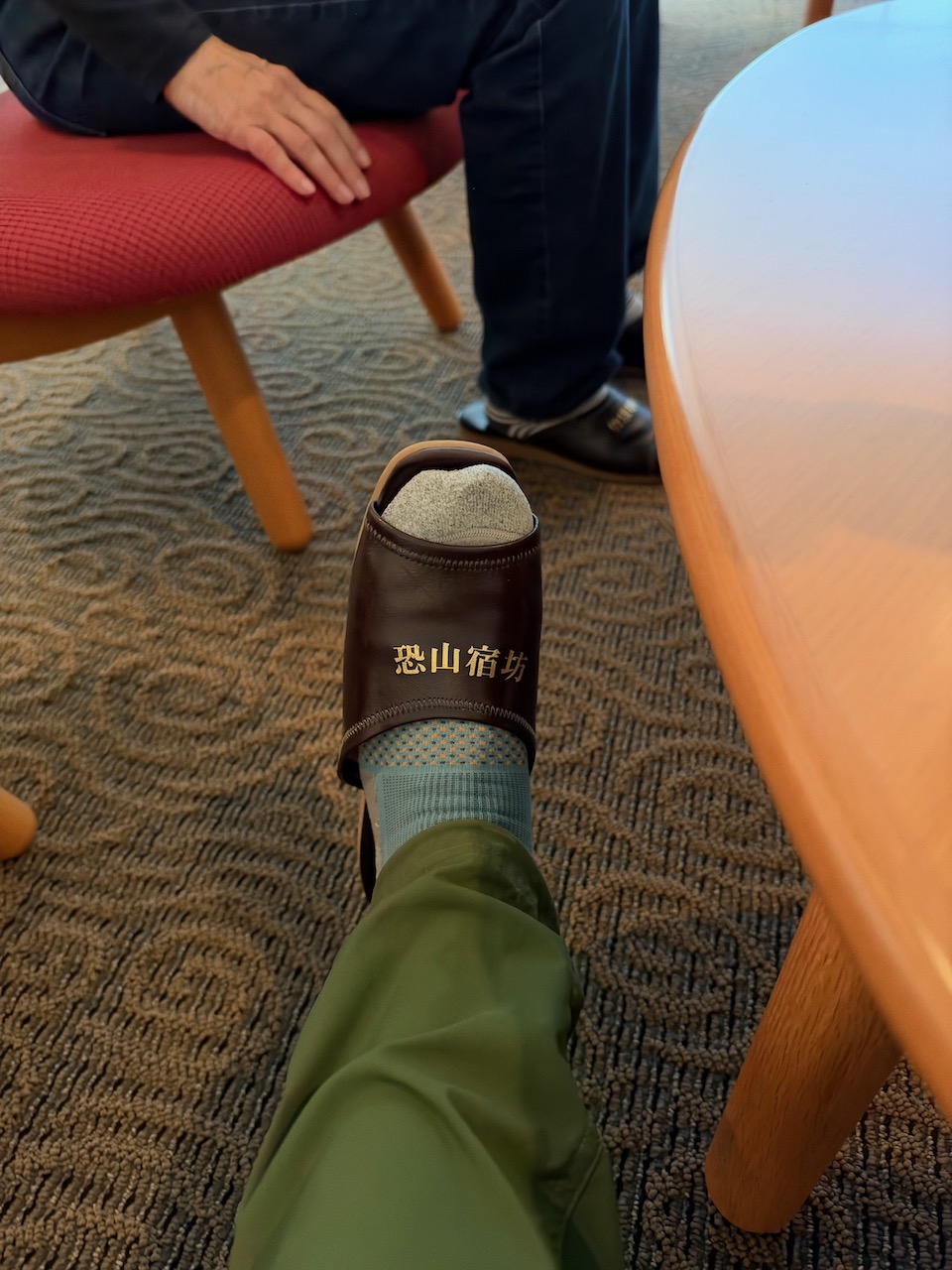
The building for overnight shukubo guests was newer than I expected (since everything online called it “spartan” or didn’t mention the inside at all). The entrance (genkan) had a large wall of lockers for your shoes, ample slippers (not made for size 13 tall man feet), and you’re greeted by a smiling buddha.
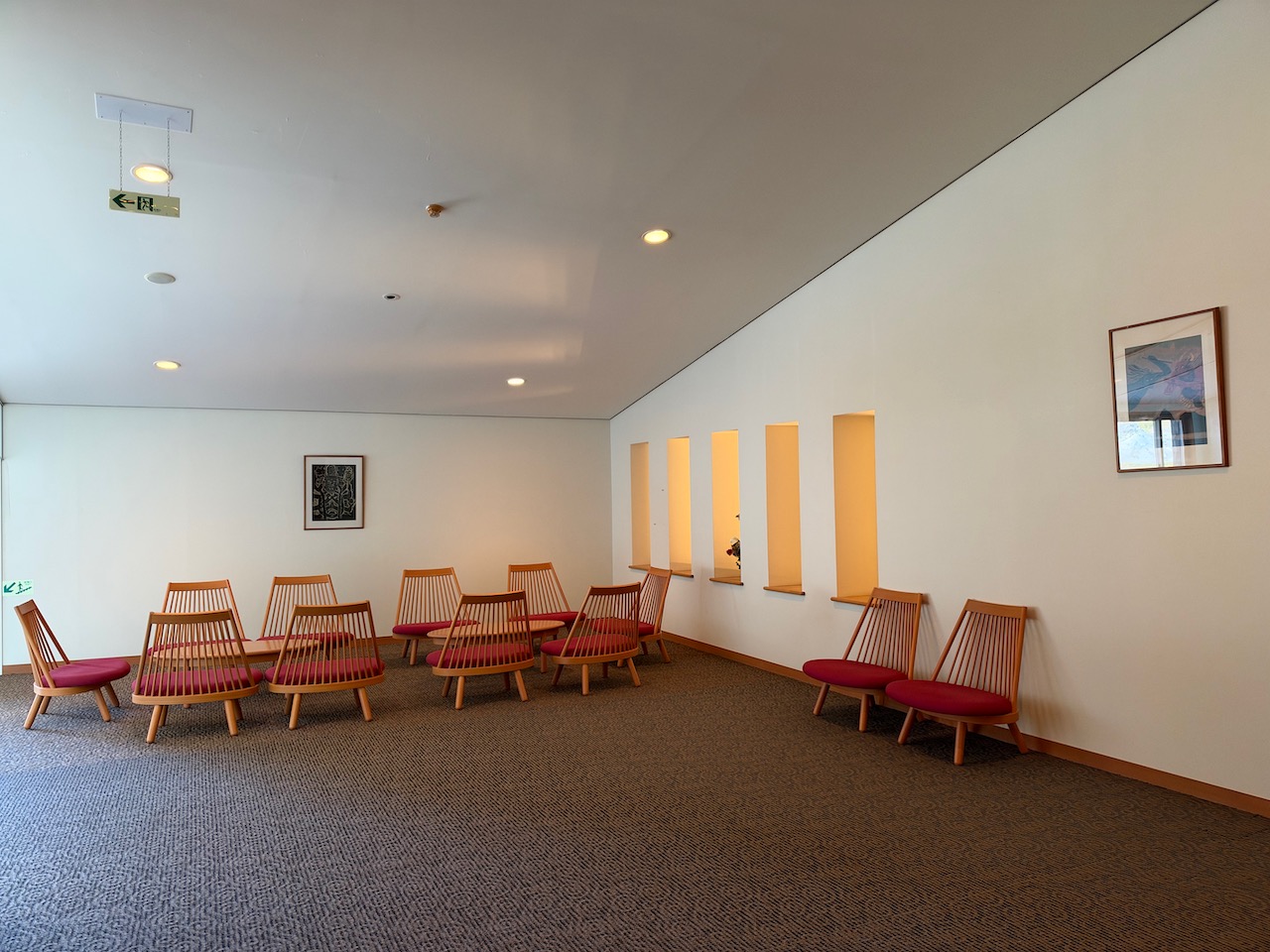
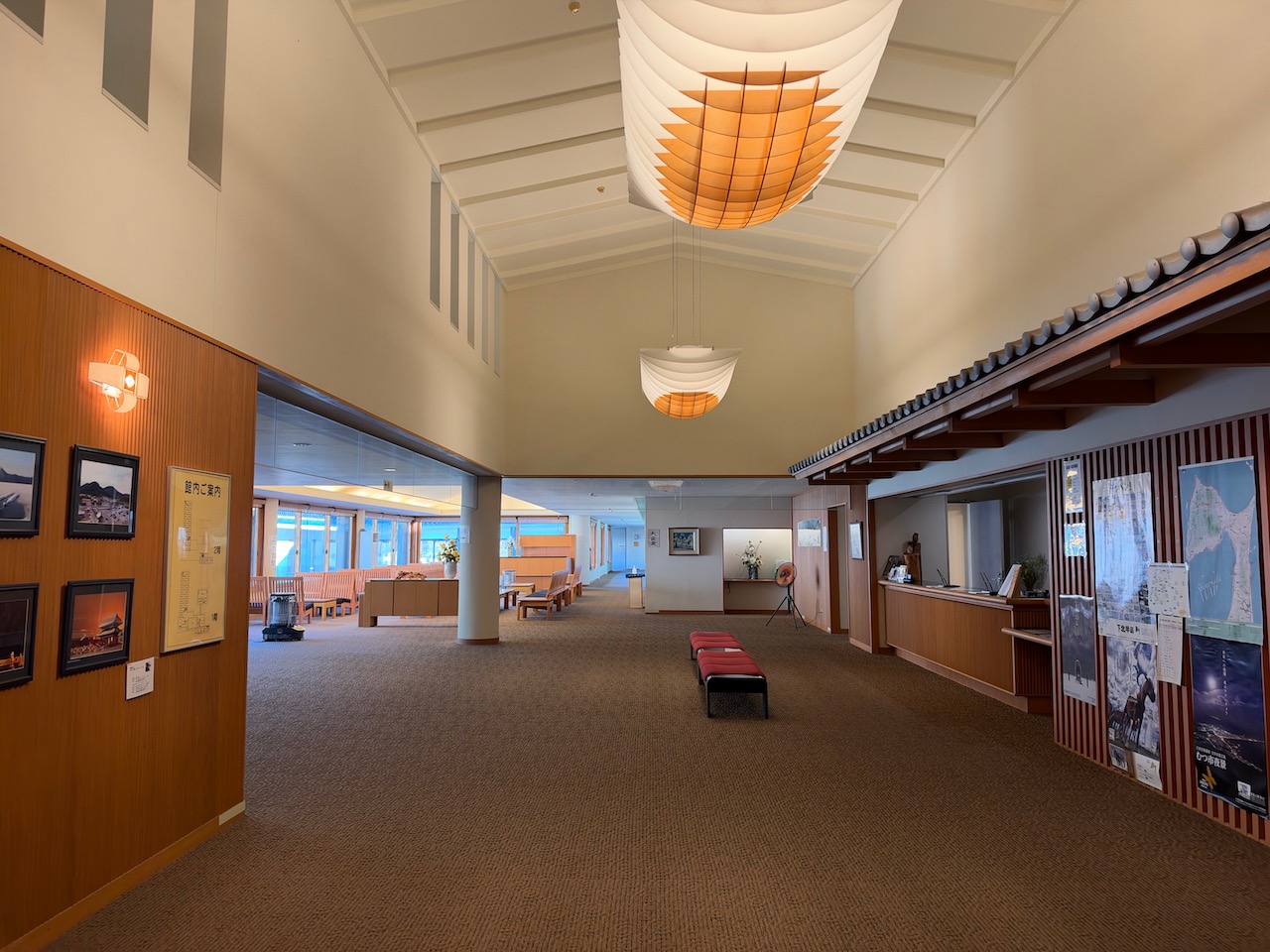
Past the genkan is reception, where the building opens up into shared spaces, stairs to guest rooms, and the long hall to the baths. There are a few places to relax outside of the rooms – some chairs and low tables – that we used for reading and card-playing.
Our rooms were comfortable, if relatively unadorned. Rooms are traditional-style tatami rooms with floor mattresses and buckwheat hull pillows. I love buckwheat pillows and have my own at home! Mine is a bit less full than these are, but they’re still comfortable.
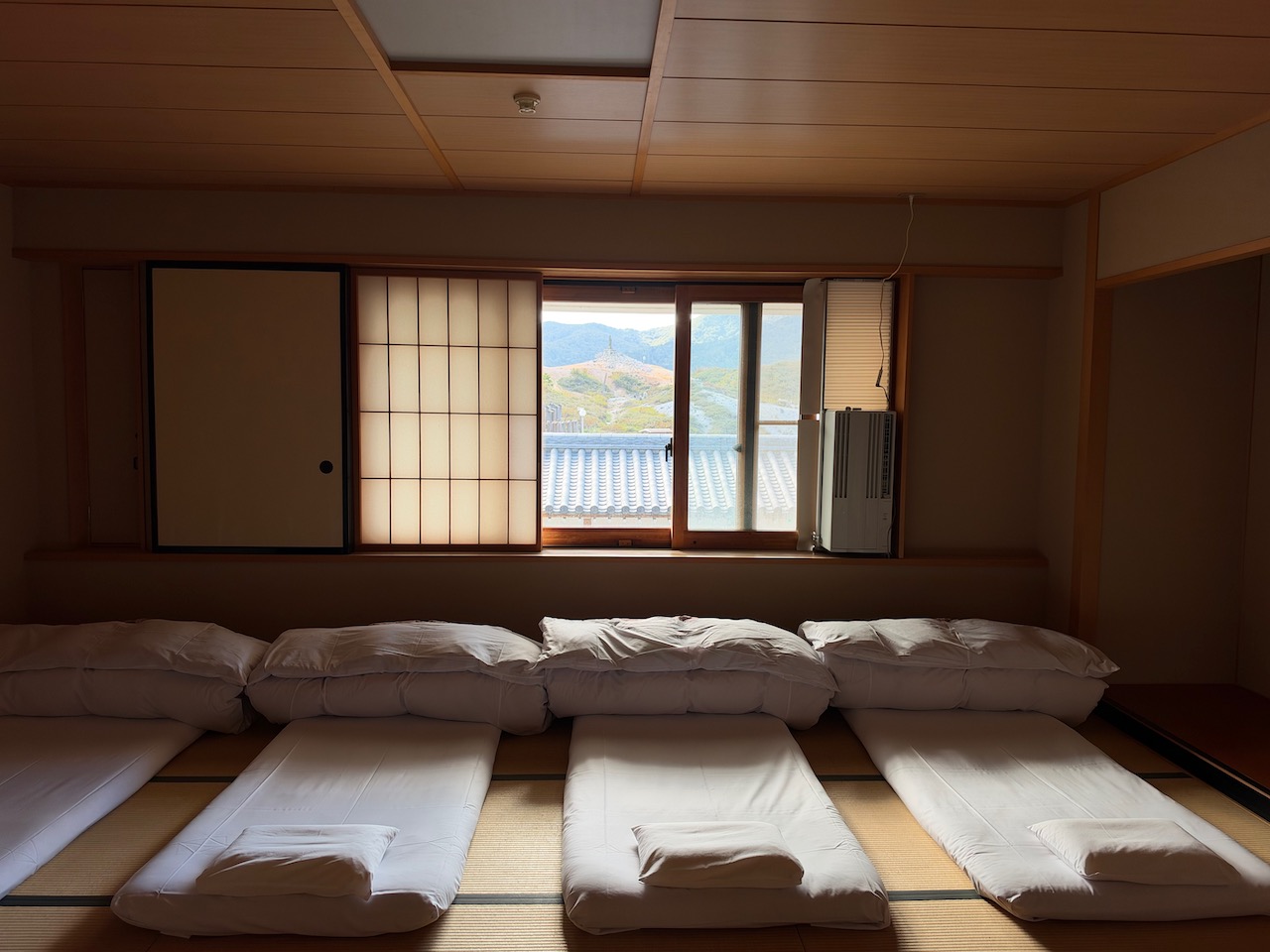
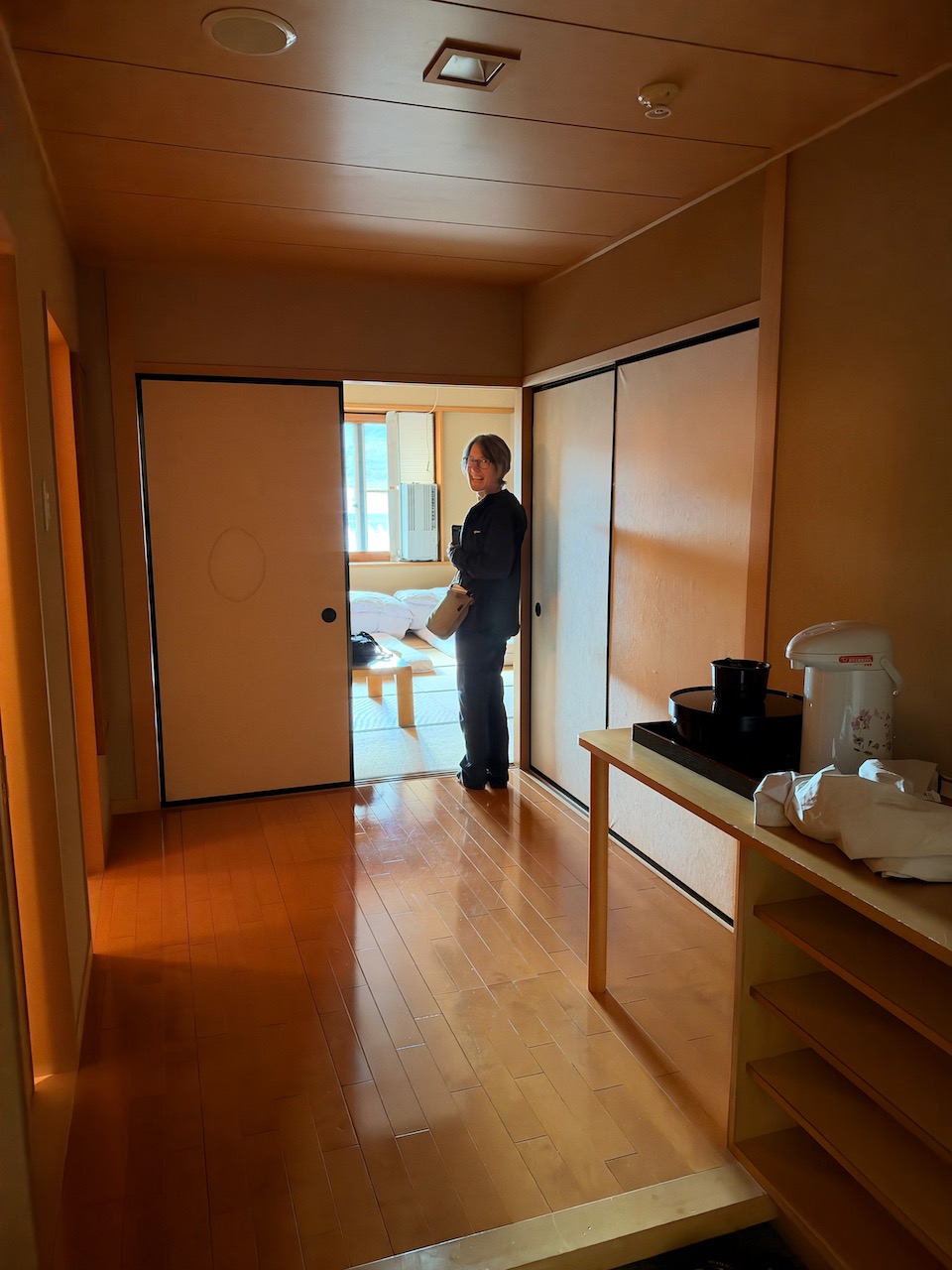
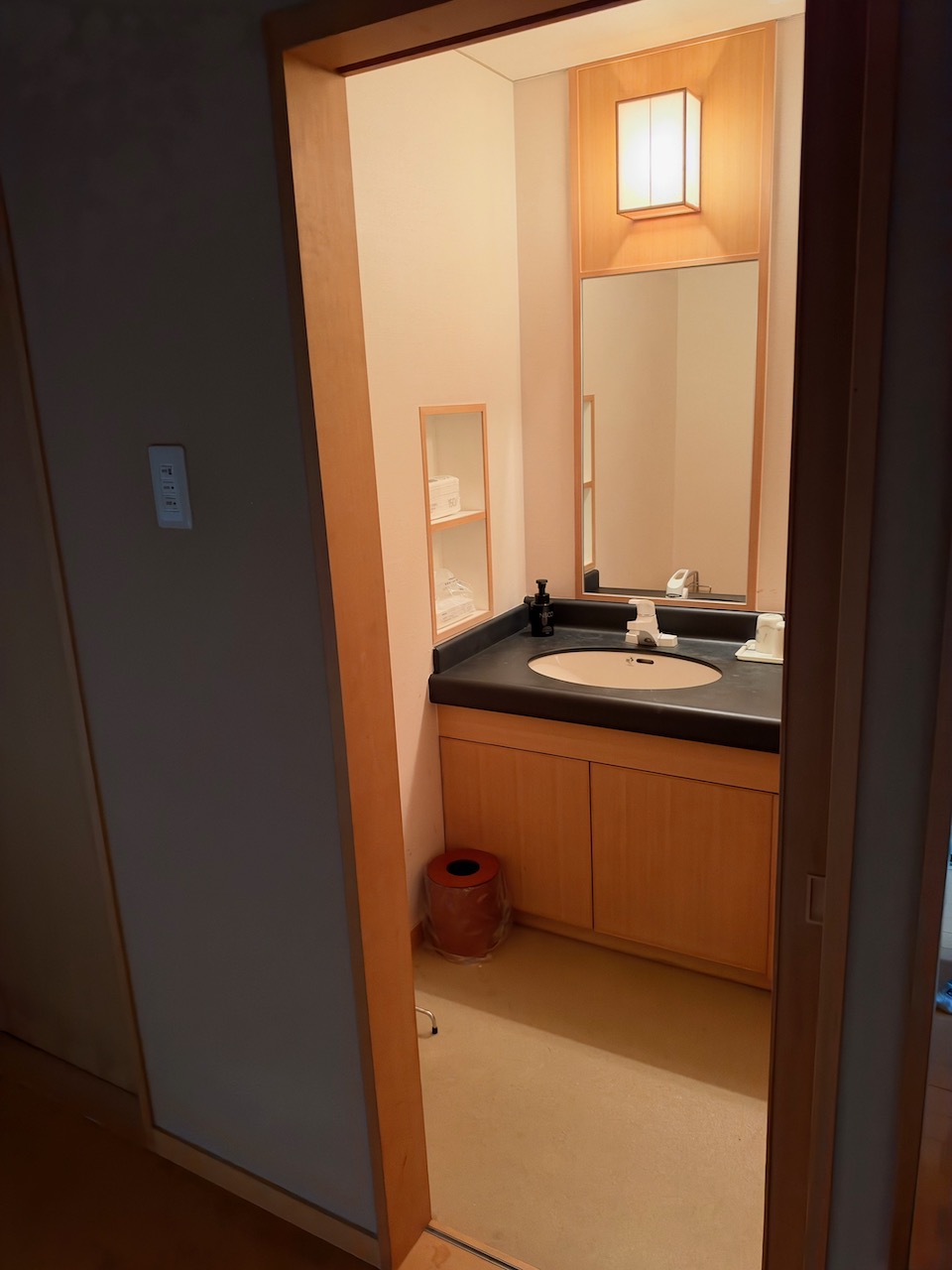
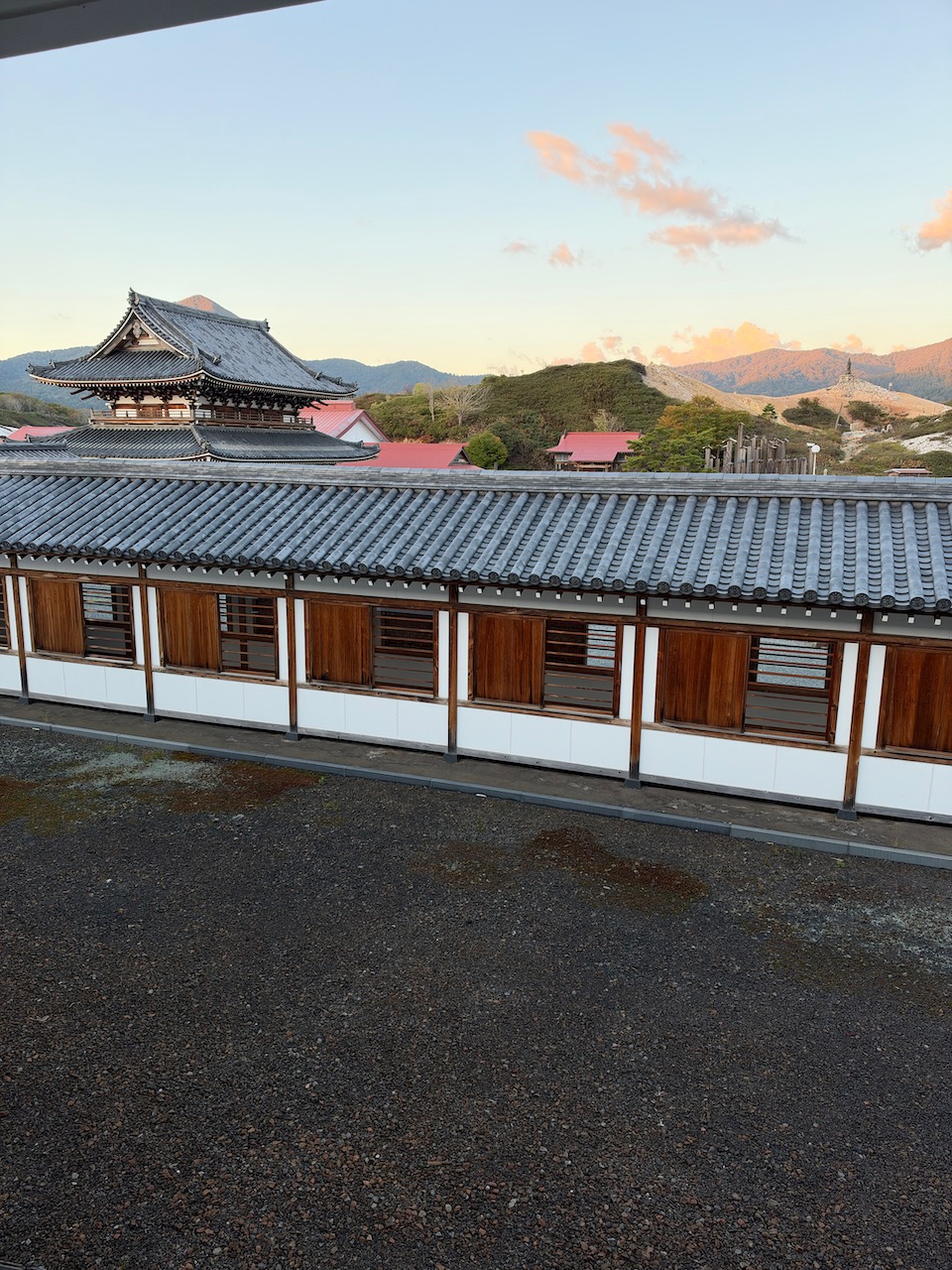
There was tea in the room’s hall, as well as a private toilet and a washroom. They provided us with slippers, yukata, towels, and pajamas, per the unwritten yet closely followed rules of omotenashi (hospitality). Our room offered a beautiful view of the mountains and main temple grounds.
I wasn’t sure what the bath sitch would be like. The website for Osorezan, as well as others’ pics, feature the outdoor baths in cedar houses – which look “rustic” if you’re unfamiliar with Japanese culture. To correct that, they are cedar and they smell fantastic, if not a bit sulphiric.
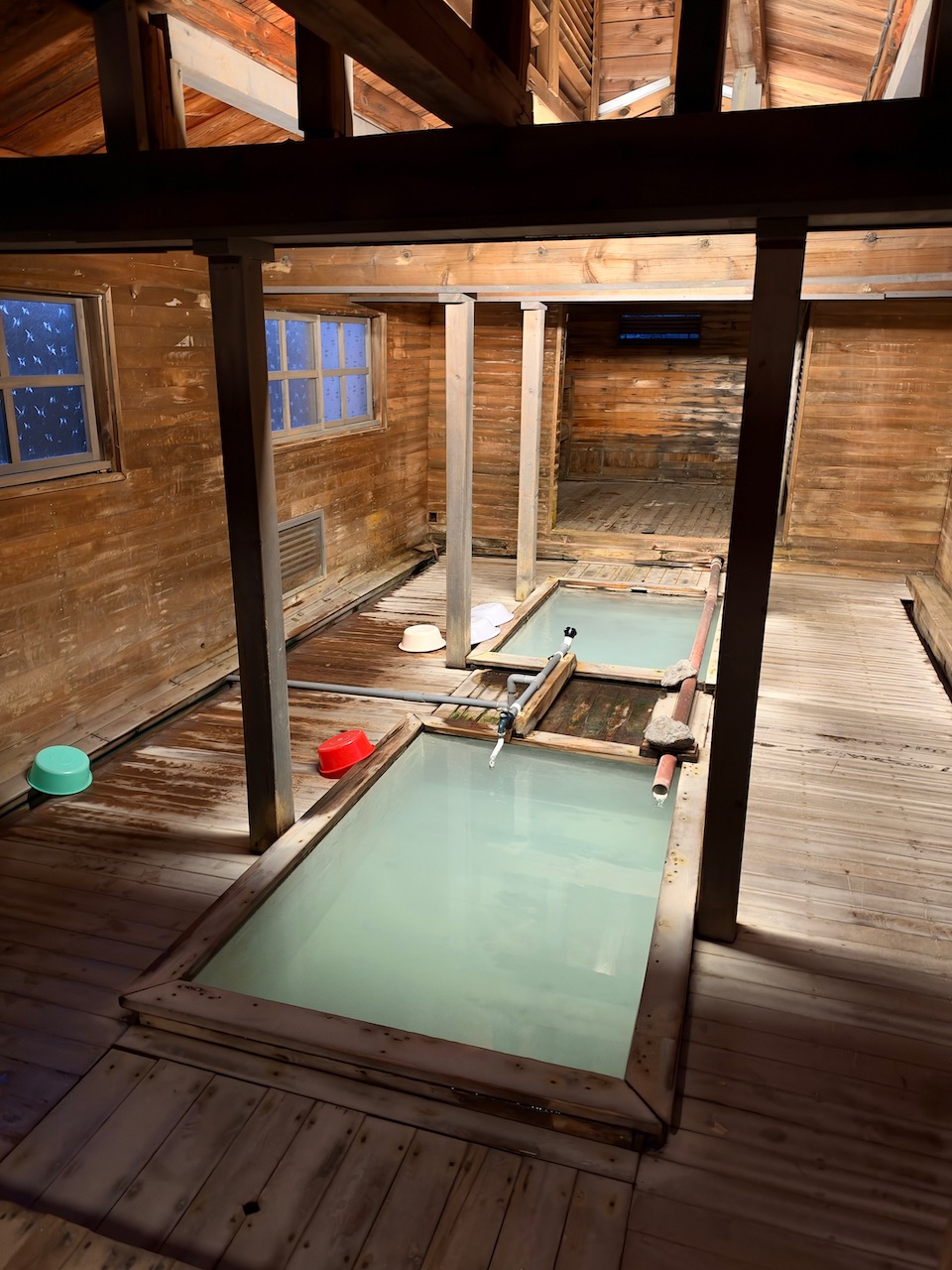
However, there’s a fantastic large indoor “mixed bath” in the main building. A mixed bath really means that men & women share the structure, but there’s a big wall between areas for the two groups. You don’t see them, but you can hear them.
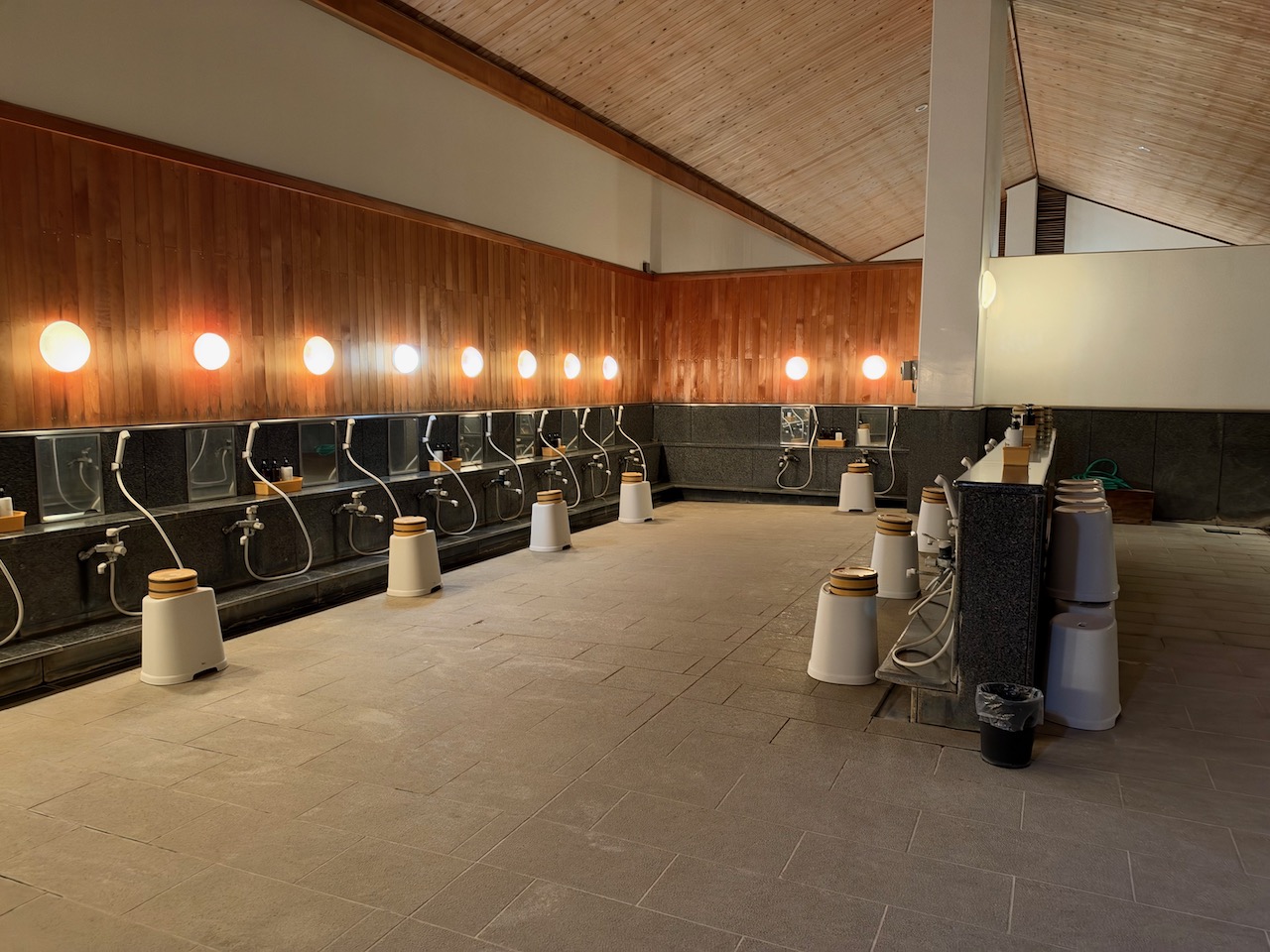
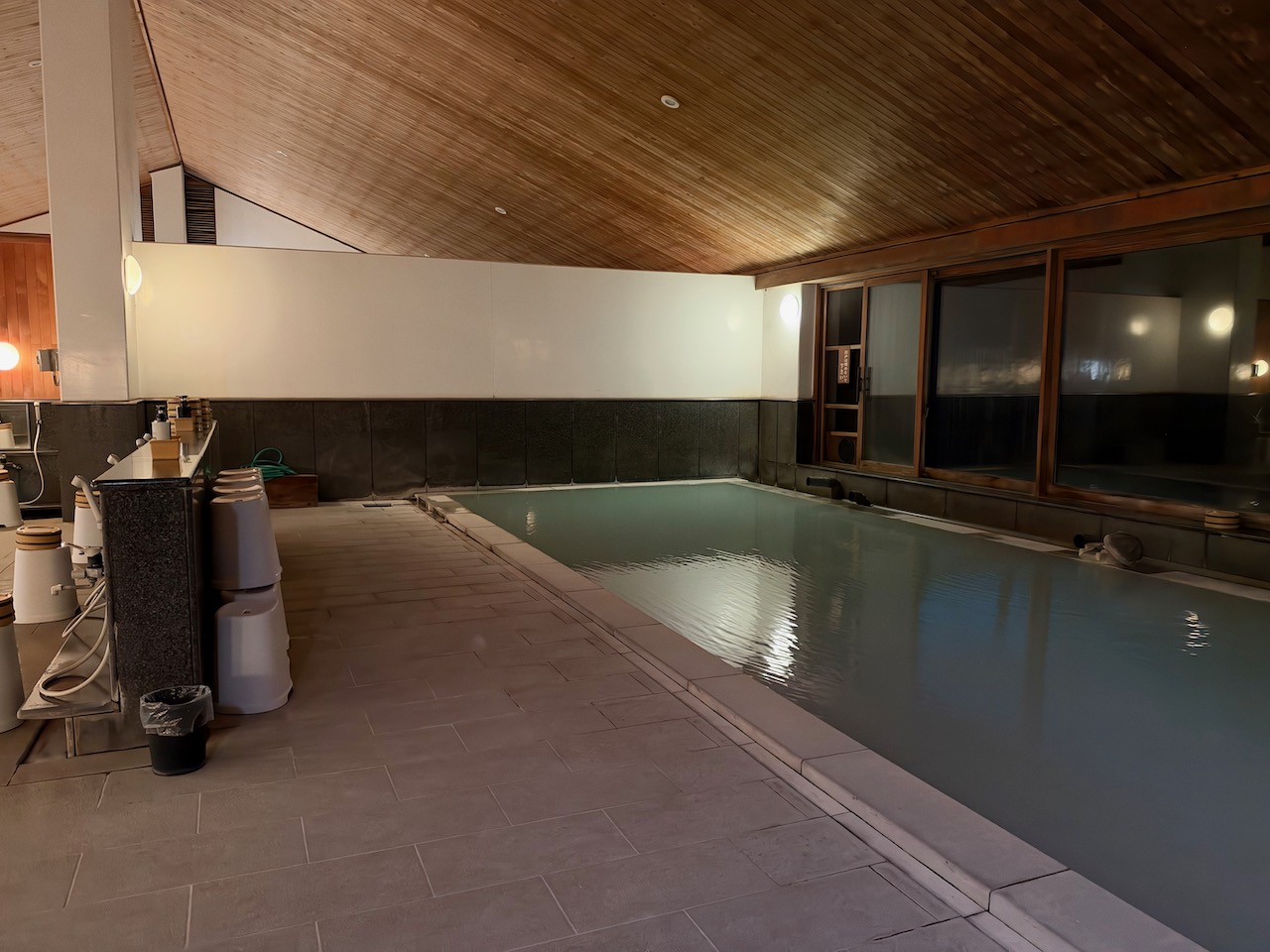
The springs here are said to be really good for your skin, but due to the presence of sulphur, you don’t want to dunk your head. I am excited to take a bath because this water always chases away my eczema (when it is on my leg, this makes it legzema).
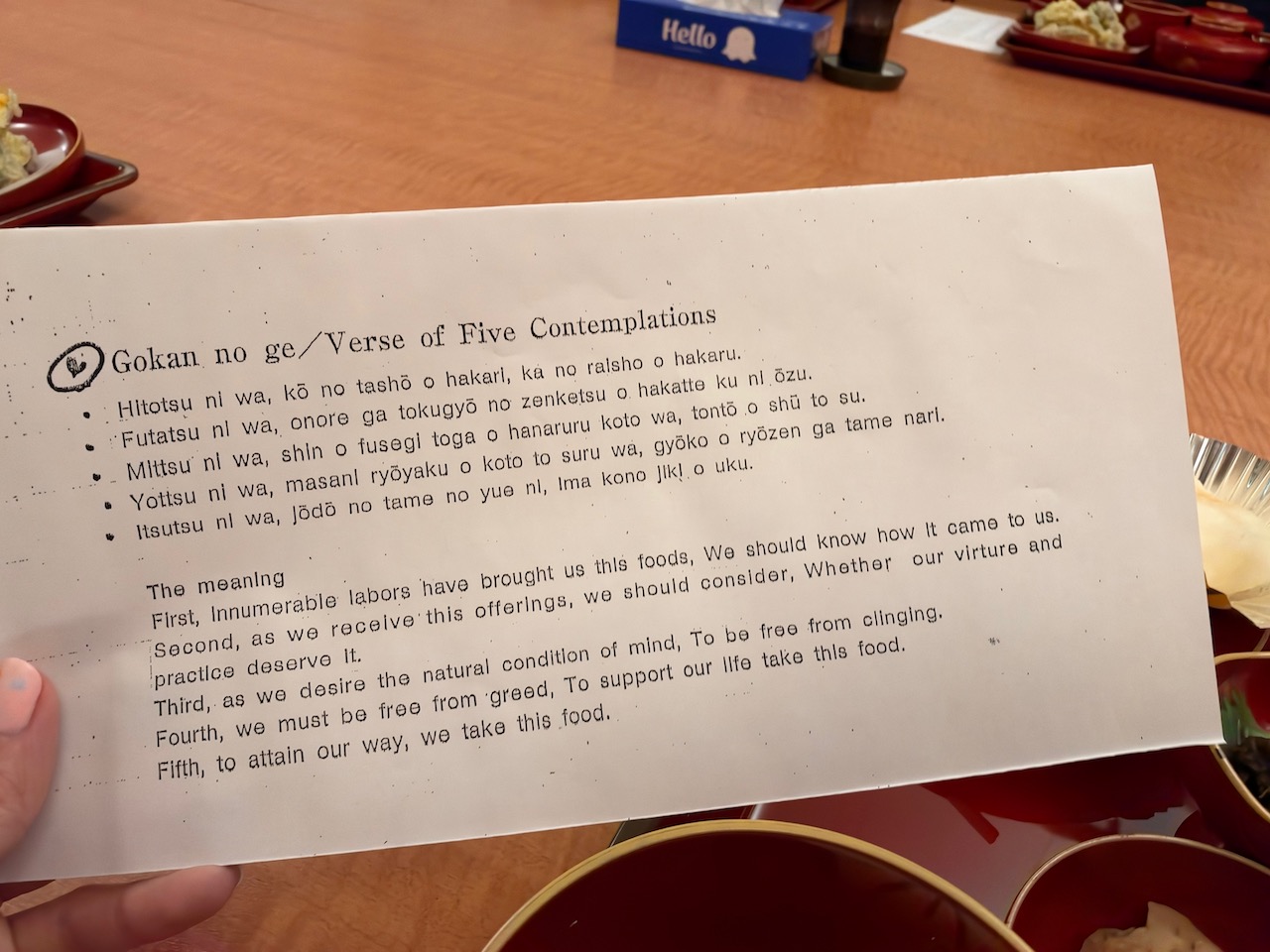
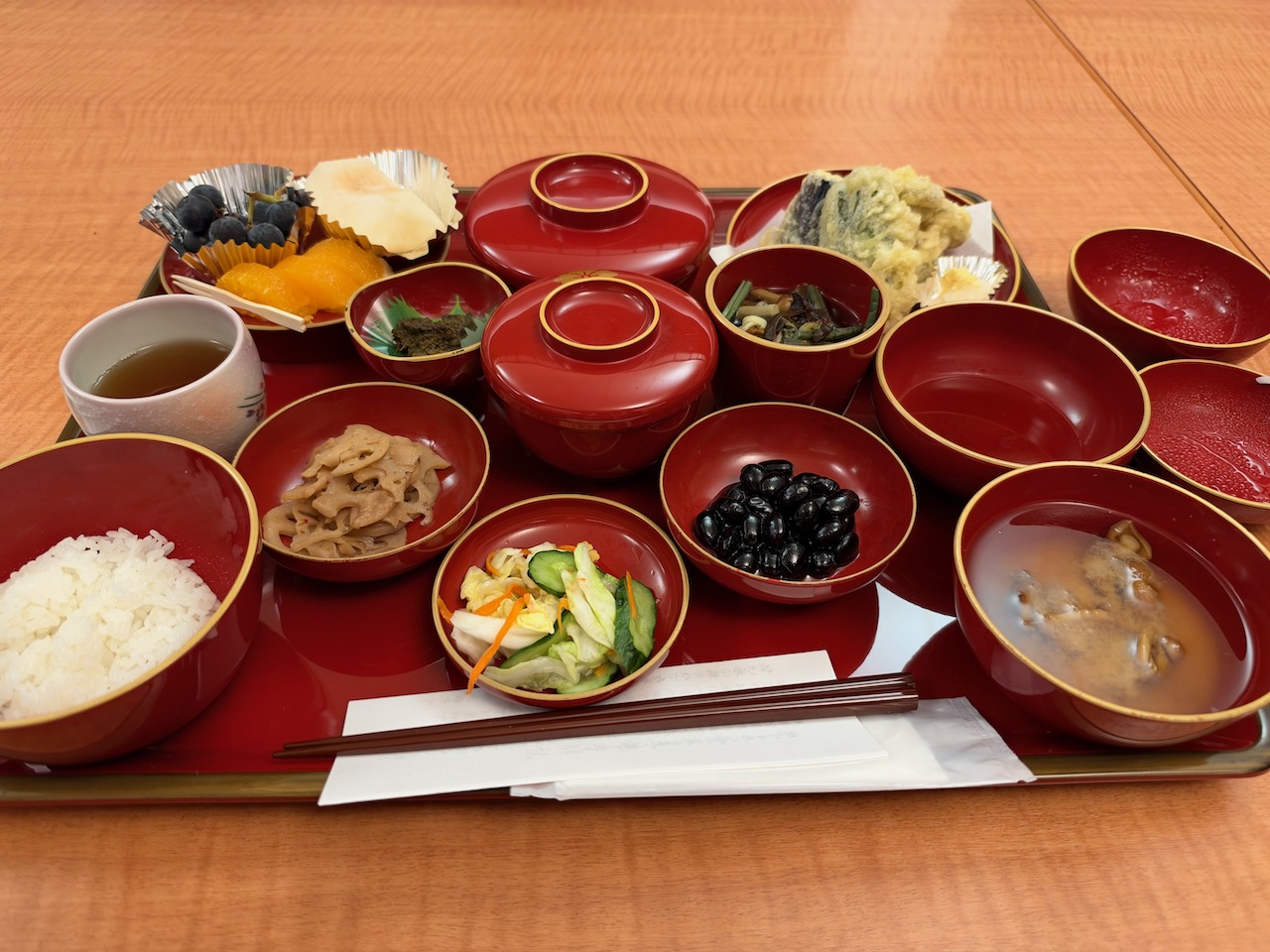
The meals are traditional Japanese fare, vegetarian buddhist cooking (be still, my vegetarian heart). Because this is a temple, you don’t wear your yukata to dinner, and you’re expected to join in the prayers before & after the meal. The meal is delicious!
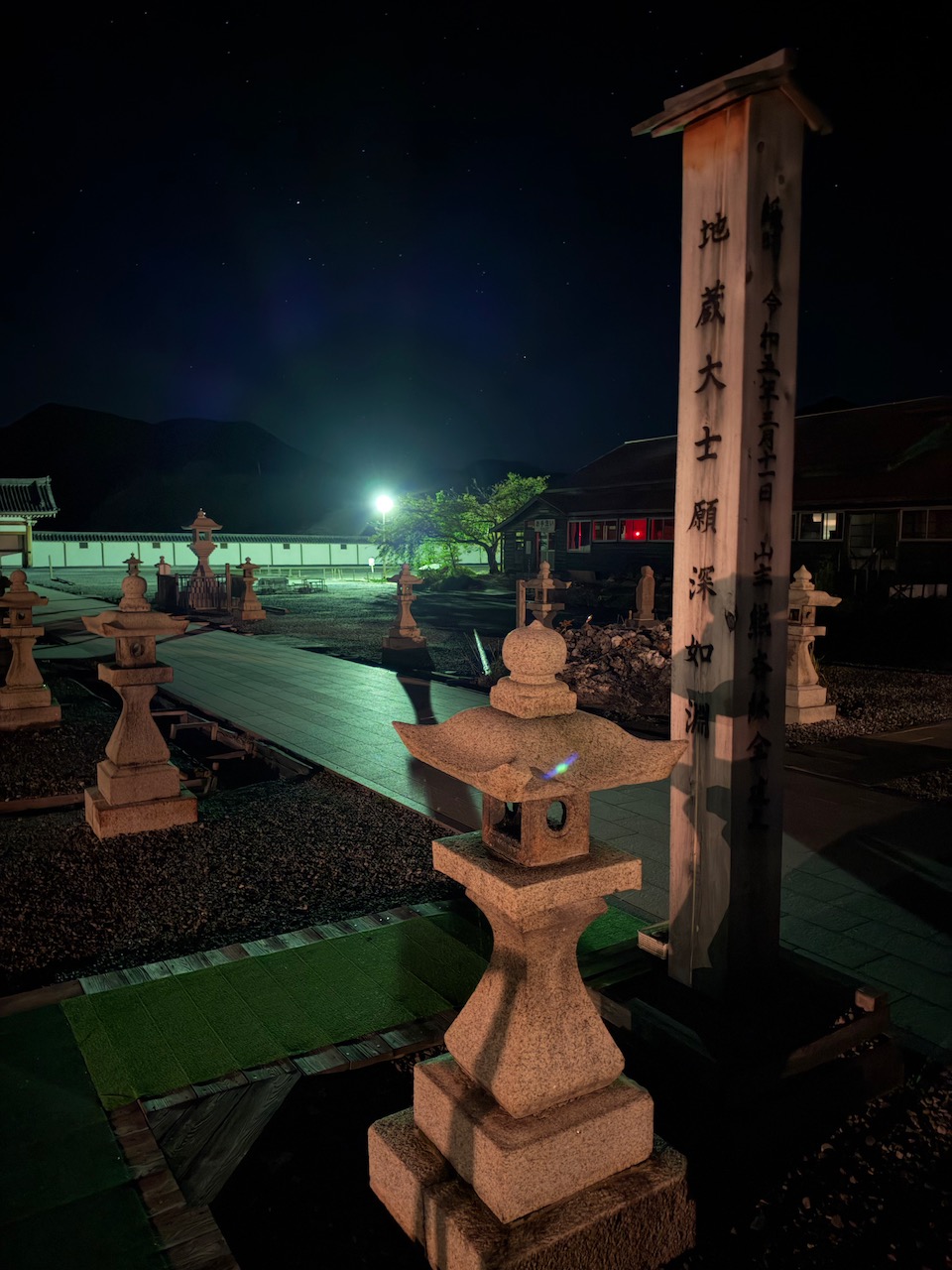
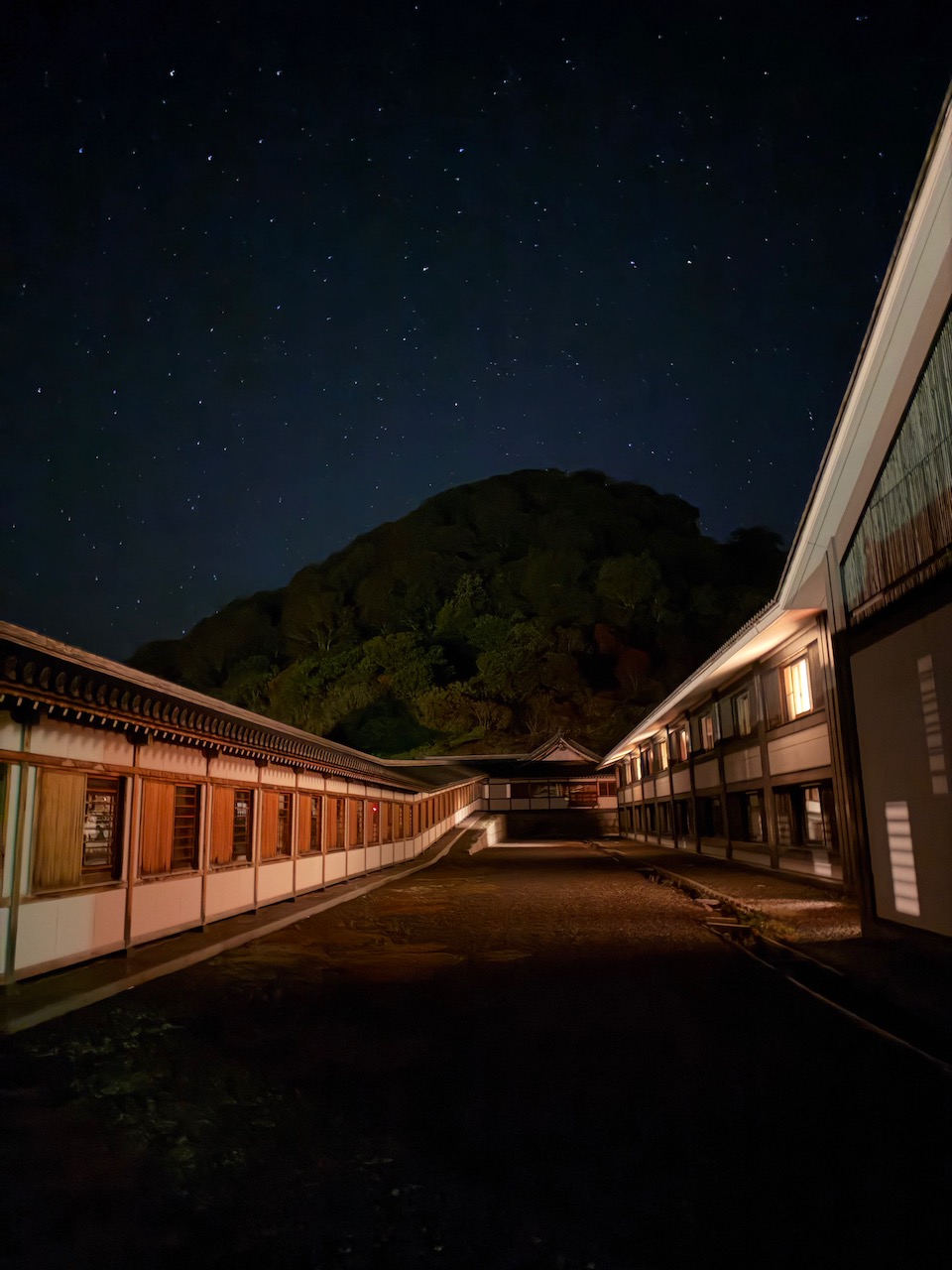
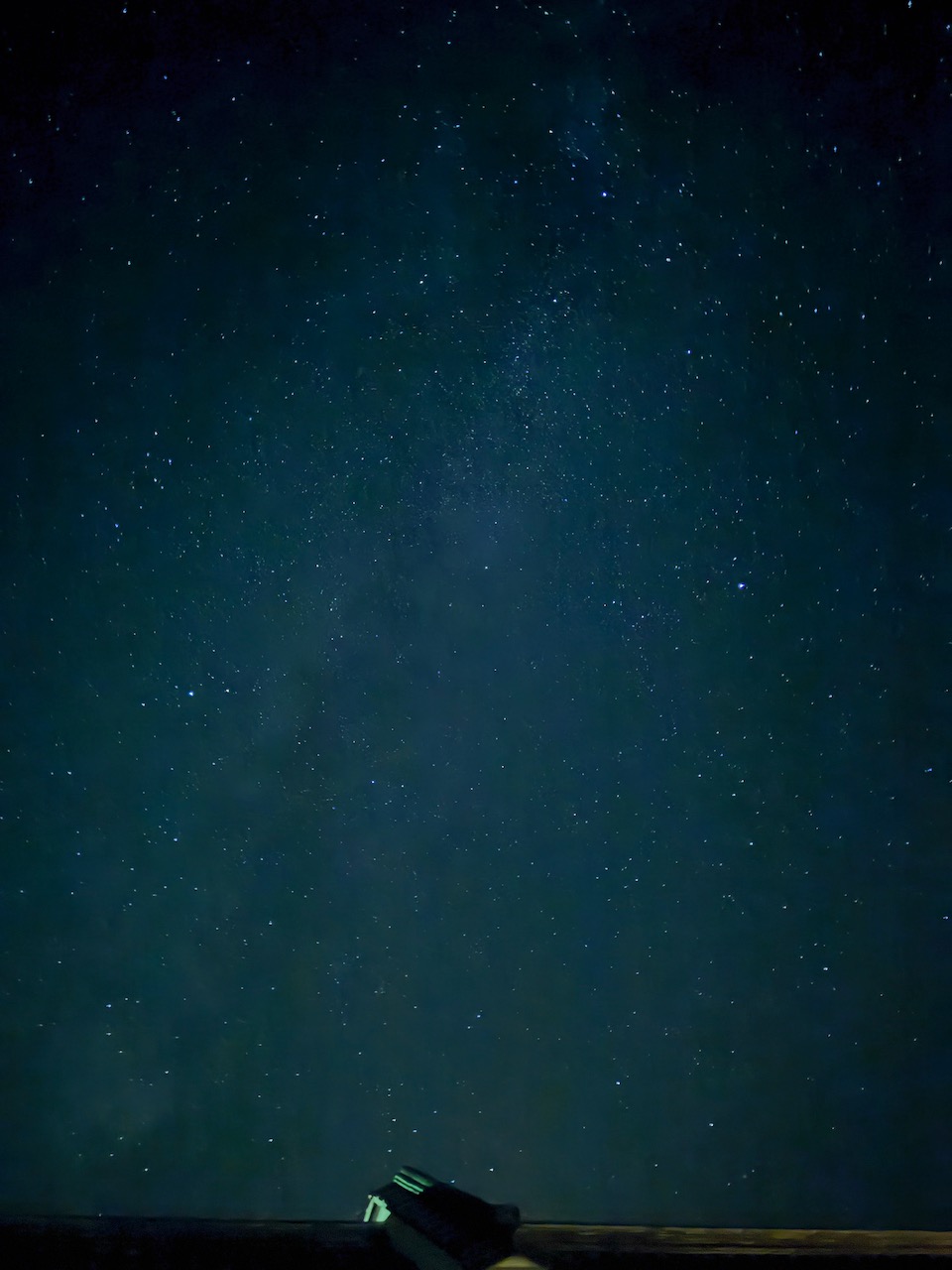
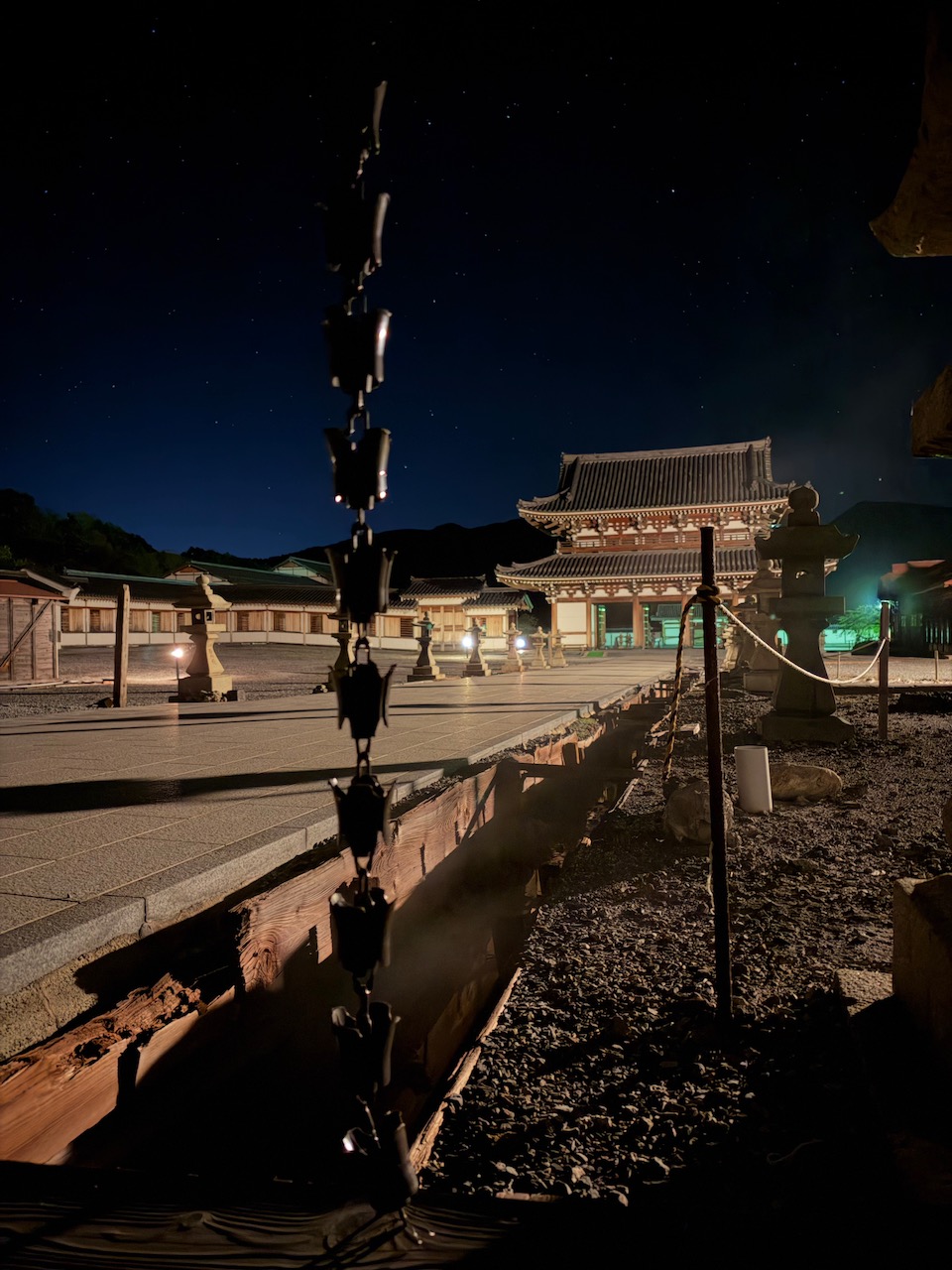
I made sure to get outside after dark to stare up at the stars. There is no highway noise and not a lot of light pollution up here. You can catch the milky way on clear nights like this. I went out to take pictures and noticed that the sulphuric compounds in the atmosphere were making my long exposure pics turn green!
Morning prayers begin at 6:30. The first service focuses on consoling the souls of the dead and the second, on deceased children.
I particularly enjoy Buddhist chanting services, especially with a meditation bowl and drum. I’ve been to one service before, in Takayama in 2024. That one was a bit more targeted towards foreigners. Japanese Buddhists seem to know this prayer and joined in, but I enjoyed the sound of the chant for both services as a participant nonetheless.
A temple stay at Osorezan is worth your while if you come up this way – be it by rental care or by public transit. I felt like it was a very sacred space – you could really feel the weight of the place, especially with the morning services.
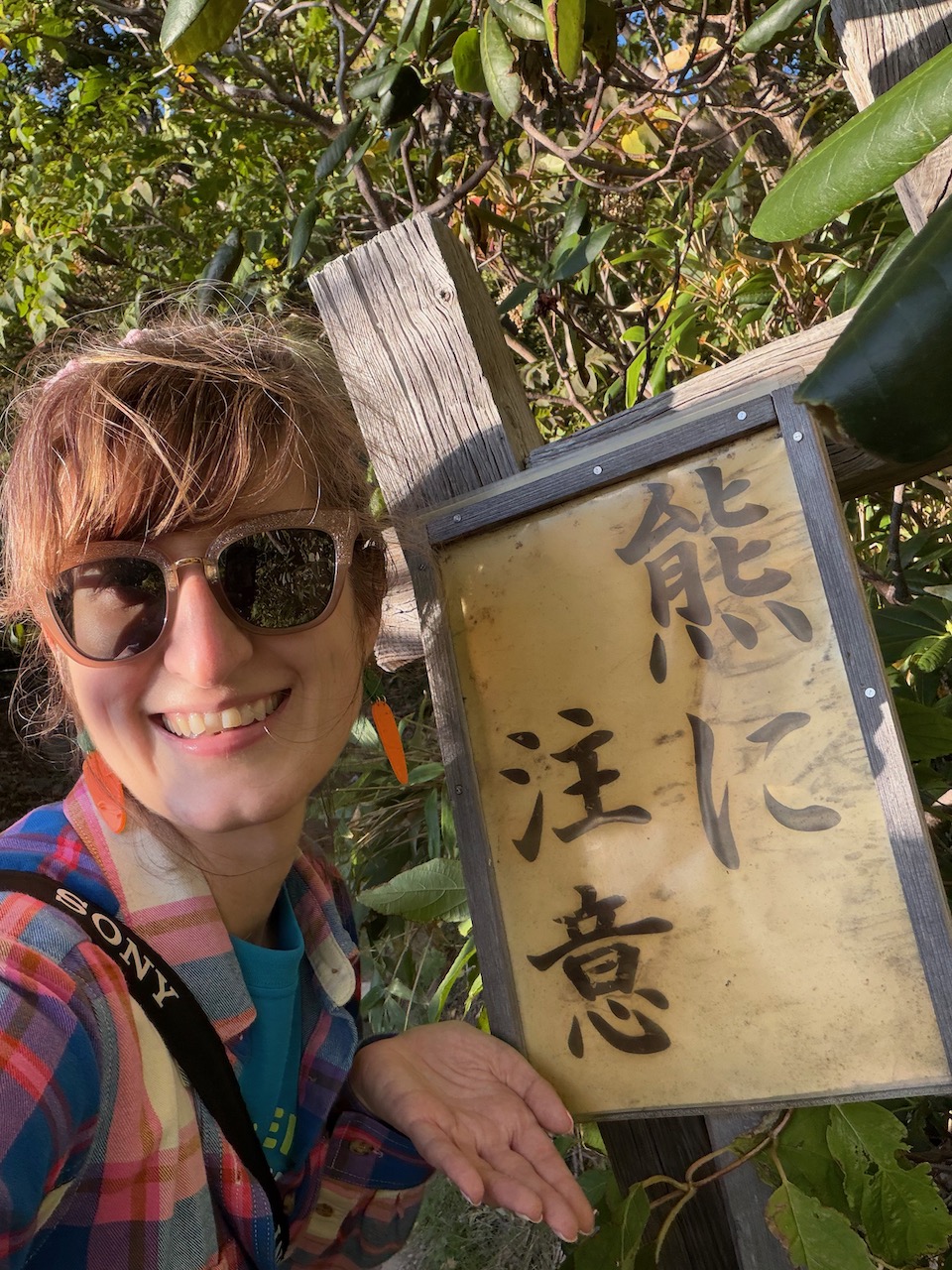
Oh, and don’t forget – as per Aomori tradition, beware of the bears 🙂